Studio Automotive Photography in Melbourne: Why Experience Matters
Studio automotive photography requires careful control of lighting, reflections, glass and interior details. Drawing on more than 25 years of commercial photography experience, I look at what goes into creating high-quality automotive imagery in specialist Melbourne car studios.
Photographing a car in a studio can look deceptively simple. The environment is controlled, the vehicle isn't moving and, unlike a location shoot, there are no changing weather conditions to contend with. In reality, studio automotive photography is one of the more technically demanding areas of commercial photography.
Cars are essentially a collection of highly reflective surfaces. Paintwork, glass, chrome, gloss plastics and interior materials all respond differently to light. Creating an image that shows the shape, design and character of a vehicle requires careful control of those reflections and a clear understanding of what the finished photograph needs to achieve.
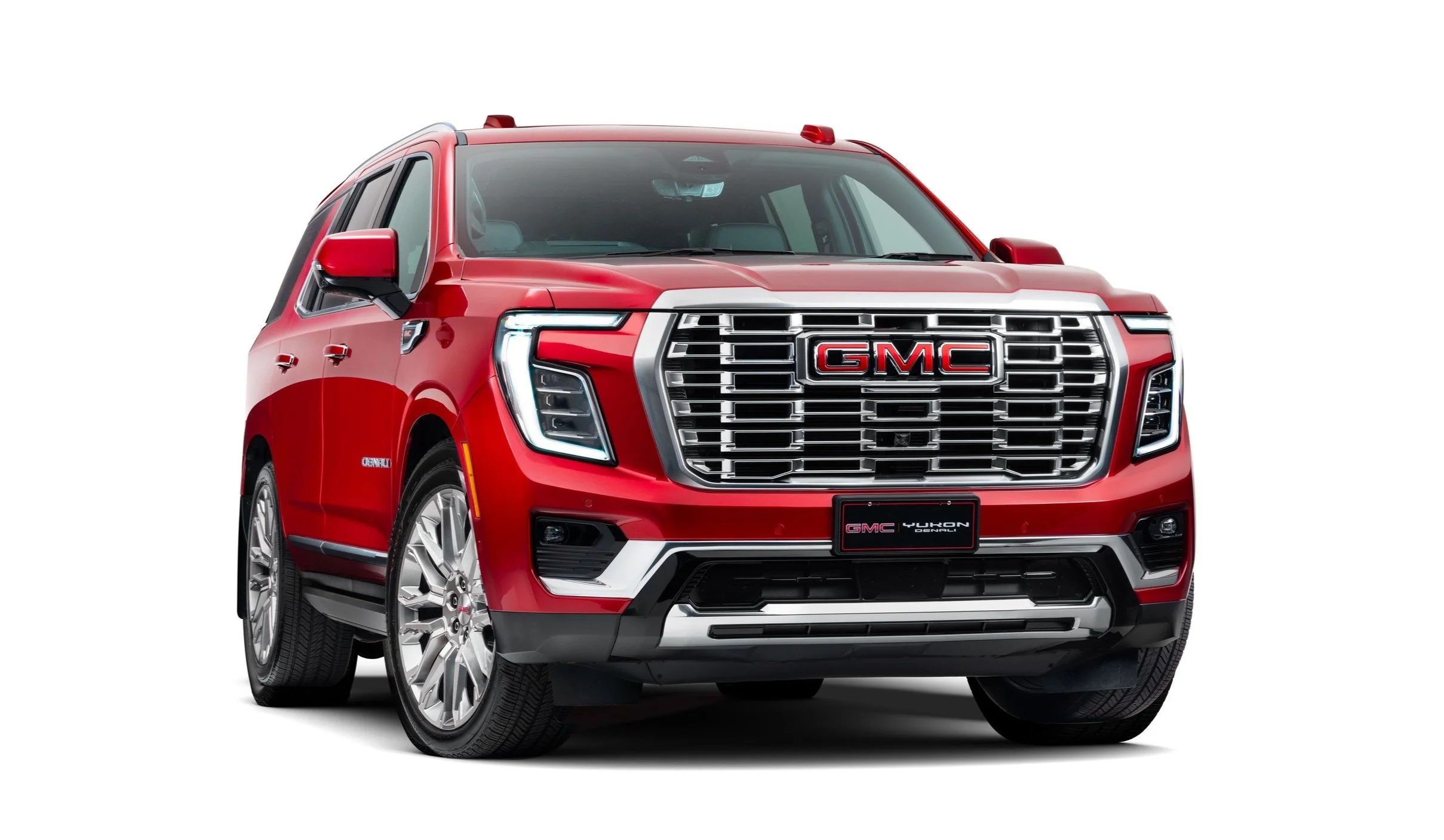
GMC Yukon Denali photographed in a specialist automotive studio in Melbourne.
Specialist automotive studios
Successful studio car photography starts with the right environment.
There are only a small number of specialist automotive studios in Melbourne designed specifically for photographing vehicles. These studios provide the space, dedicated lighting and equipment required for automotive work, often including turntables that allow a vehicle to be repositioned accurately while maintaining control over the lighting and camera setup.
Having a large space is only part of the equation. The ability to completely control the environment is what makes these studios particularly valuable when producing photography for new-model launches, press kits, advertising campaigns, vehicle accessories and catalogue imagery.
Controlling reflections and highlights
One of the biggest challenges when photographing a vehicle is that you're not simply lighting the car. You're also creating and controlling the reflections that define its shape.
A carefully positioned highlight can reveal the contour of a body panel or emphasise a design line. Move that reflection slightly and it can become distracting or make the same panel appear flat.
Glass presents another challenge. Windscreens and windows need to retain their shape and character without becoming dominated by unwanted reflections. At the same time, there may be important interior details that need to remain visible through the glass.
The process requires constant adjustment and an understanding of how light will behave across different materials and surfaces.
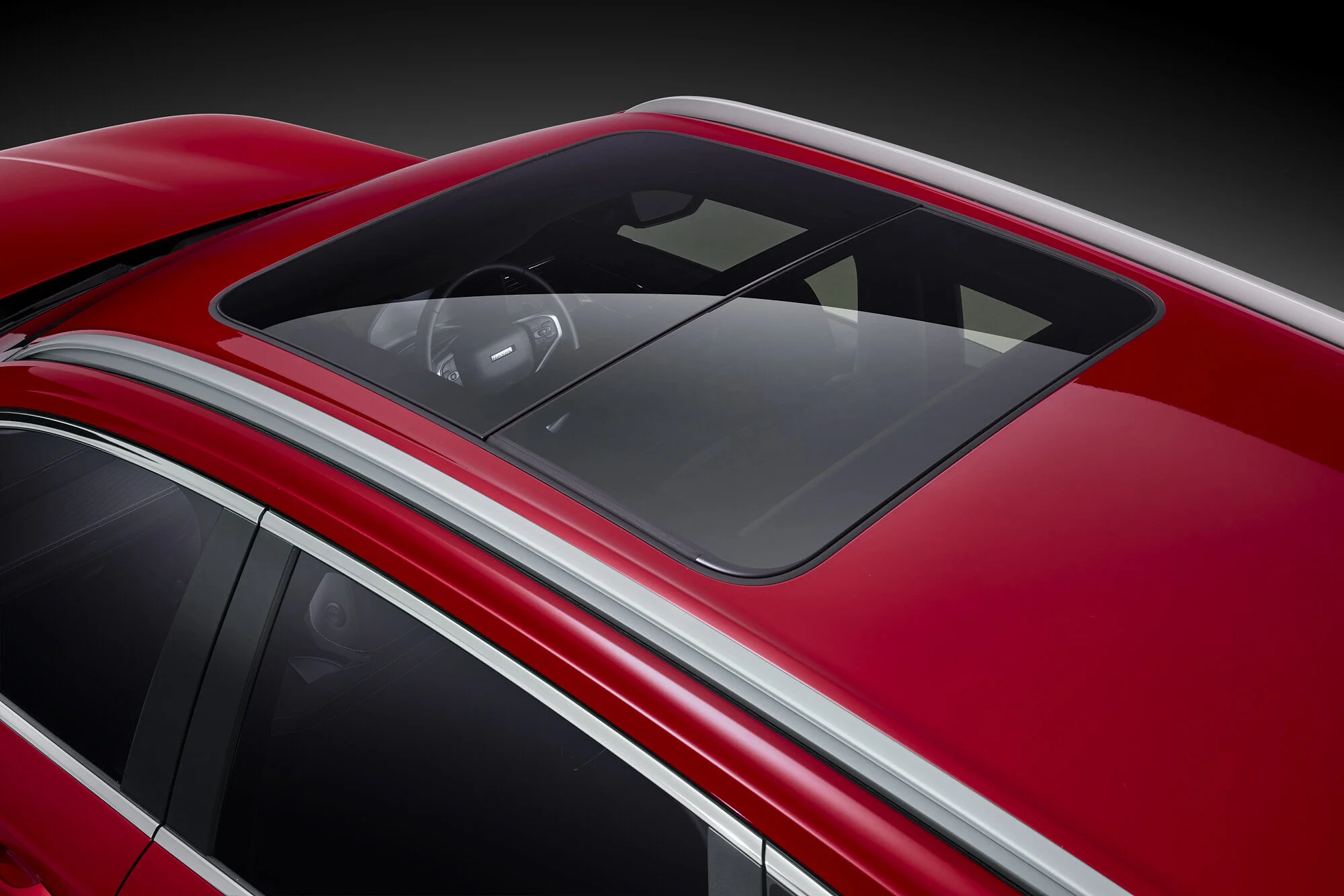
Detail of automotive glass and reflections photographed in a Melbourne car studio.
Building the final image
A finished studio automotive image is often not created from a single exposure. Before starting, it is important to have a clear idea of exactly what needs to be captured and how the final image should look.
I will often photograph a vehicle across a series of exposures, adjusting the lighting and controlling individual reflections for different areas of the car. One exposure might produce the ideal highlight along a body panel, while another may better control the glass, wheels, grille or interior.
These individual elements can then be carefully combined in post-production to create the final image. The aim isn't to make the vehicle look artificial, but to create a photograph where the lighting, reflections and details work together to show the design of the car at its best.
This process takes time, but more importantly it requires experience. Knowing where to place a reflection, which areas need additional light and what needs to be captured separately is a large part of successful studio automotive photography.
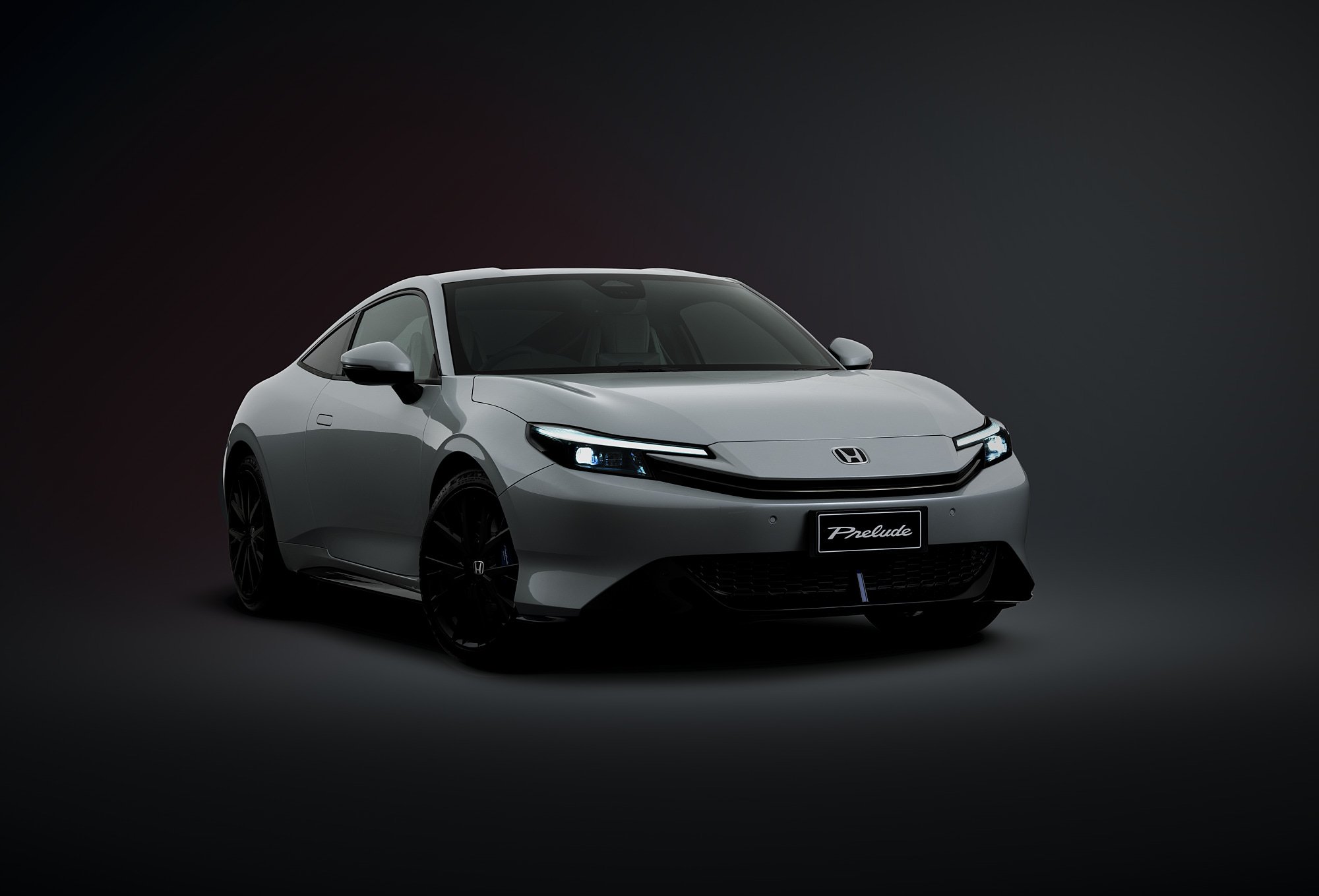
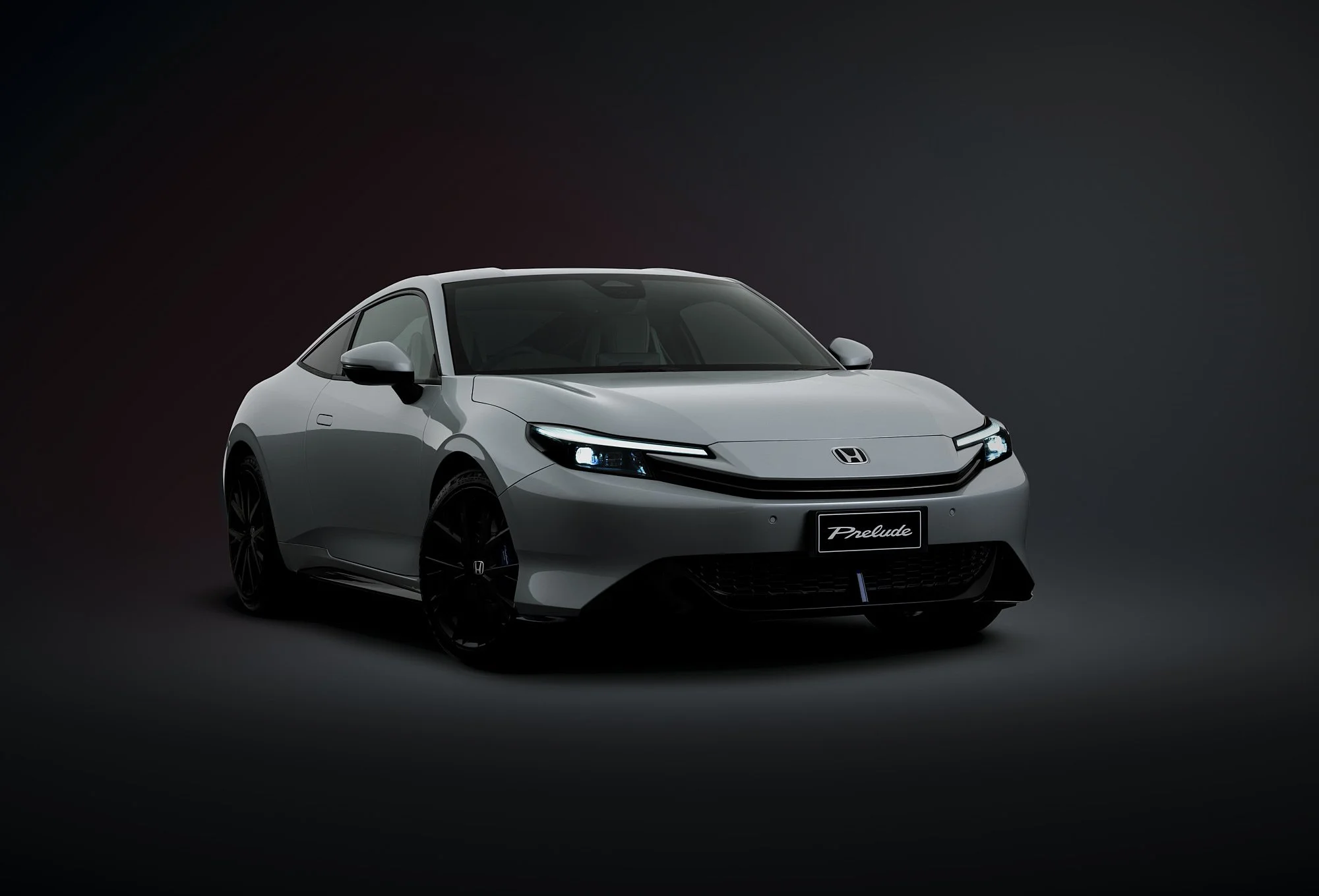
Honda Prelude photographed in a specialist automotive studio in Melbourne.
Experience matters in automotive photography
I've been working as a commercial photographer for more than 25 years and have photographed vehicles both in automotive studios and on location for automotive manufacturers including Porsche, Mercedes-Benz, Honda, Kia, Ford, GMC, GWM Haval, Infiniti, Lotus and Jaguar Land Rover.
That experience becomes particularly important in the studio. Automotive photography isn't simply about knowing how to light a car. It's understanding how different surfaces respond to light, anticipating where unwanted reflections will appear and knowing how to build an image systematically rather than trying to achieve everything in a single exposure.
It also means understanding what the images ultimately need to do. A new-model press kit has different requirements from an advertising campaign, vehicle accessory photography or catalogue imagery. Camera angles, consistency between images, available space for layouts and the way particular design features are shown all need to be considered before the photography begins.
For me, the technical side of studio automotive photography is one of the things that makes it so rewarding. When everything comes together, the lighting shouldn't draw attention to itself. It should reveal the shape, materials and design of the vehicle in a way that feels deliberate and natural.
Planning a studio automotive shoot
Successful studio automotive photography starts well before the vehicle arrives in front of the camera. Understanding how the images will be used, the number of views required, the important design features and the final output all influence how the shoot should be approached.
For new-model launches, press kits, advertising campaigns, vehicle accessories and catalogue photography, consistency is particularly important. Camera position, vehicle angle, lighting and reflections may need to remain consistent across multiple views or even multiple vehicles.
Having access to specialist automotive studios in Melbourne means I can recommend the right environment depending on the vehicle and the requirements of the project. From there, the photography can be planned around the creative brief, required deliverables and how the finished images will ultimately be used.
Managing the production
Experience also plays an important role in planning the production itself. Automotive studio photography can be time-consuming, particularly when multiple angles, interiors, details or vehicles need to be photographed. Understanding how long each setup is likely to take helps establish what can realistically be achieved within the available shoot time and budget.
Putting together the right team is equally important. Depending on the scale of the project, this may include experienced photographic assistants, digital operators, retouchers and other specialist crew. Working with people who understand automotive photography can make a significant difference to both the efficiency of the shoot and the consistency of the finished images.
Good planning also means balancing the creative requirements with the available budget. Knowing where time and resources are best spent allows me to recommend an approach that delivers the required imagery without unnecessarily adding to the production costs.
If you're planning an automotive photography project in Melbourne, you can view more of my automotive photography work here, or get in touch to discuss your project.